
ALP Advanced Compression System
The only DVT prevention platform that integrates antimicrobial protection*, active moisture management, anti-kink tubing, and pressure-distributing trilaminate construction — backed by independent laboratory evidence and real-world clinical outcomes.
*Antimicrobial coverage on select garment SKUs.
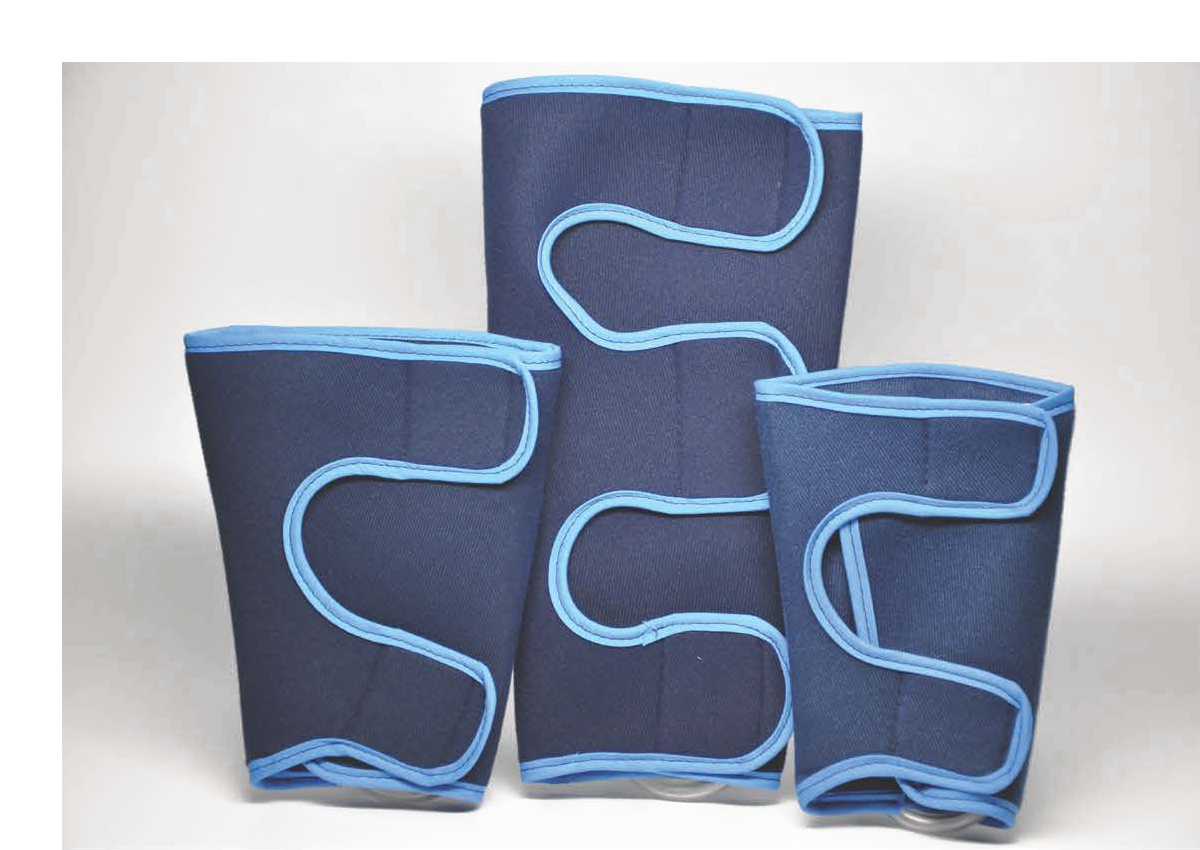
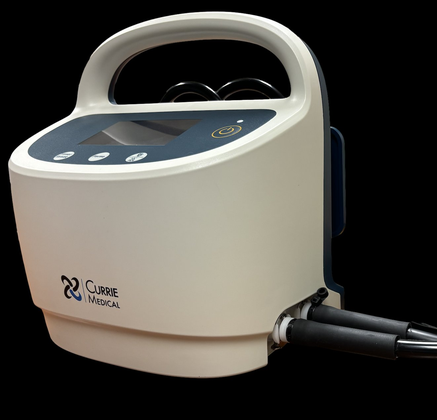
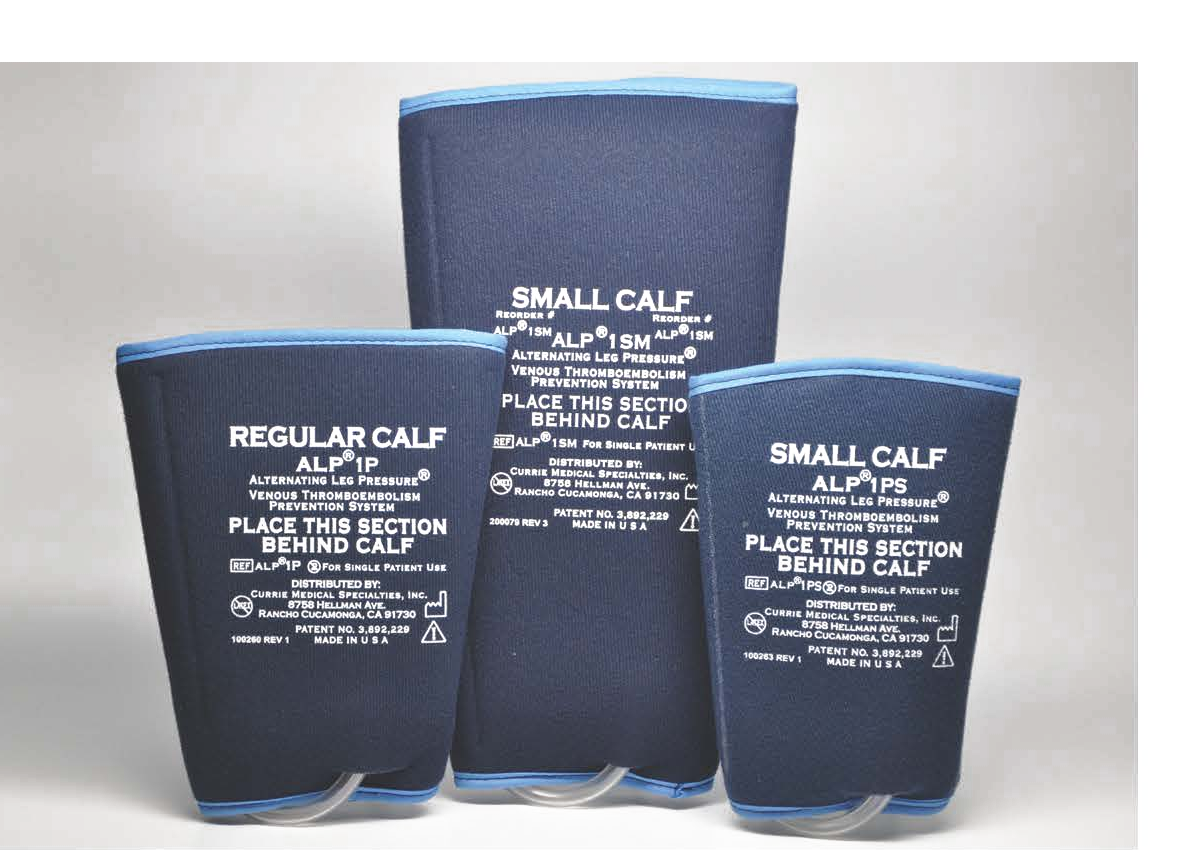
Patients cite discomfort, excessive heat, moisture buildup, and pump noise as primary reasons for removing compression garments — undermining the therapy that prevents life-threatening blood clots.
VTE incidence increases from 1.3% with consistent IPC use to 4.1% without. Every hour a garment is off the patient represents increased risk of a preventable, unreimbursed VTE event.


Complete garment platform: Calf, thigh, and pediatric configurations. ALP® 531 pump with dual-port therapy and built-in treatment hour tracking.
| Performance Metric | Currie ALP | Cardinal Kendall SCD | Medline Hemo-Force |
|---|---|---|---|
Water Vapor Resistance (Ret) ISO 11092 — lower = better breathability | 10.29 m²Pa/W | 220 m²Pa/W | >500 m²Pa/W |
Antimicrobial Reduction ISO 20743 — viable organisms post-test | >99.99% (< 25) | None (4.2-6.9 million) | None (4.2-6.9 million) |
Breathable Surface Area % of garment not occluded by bladder | 70% | ~5% | ~5% |
Active Compression Power Bench test — watts during therapy | 5.5W | 20.9W (3.8×) | 12.4W (2.3×) |
Motor Duty Cycle % of therapy time motor running | 44% | 98% | 95% |
Quiet Hours / 24-hr Day Hours without motor noise per day | 14.4 hours | 6.4 hours | ~6.9 hours |
“The water vapour resistance of [Cardinal and Medline] samples tested is so high that these samples practically do not possess any ‘breathability.’”

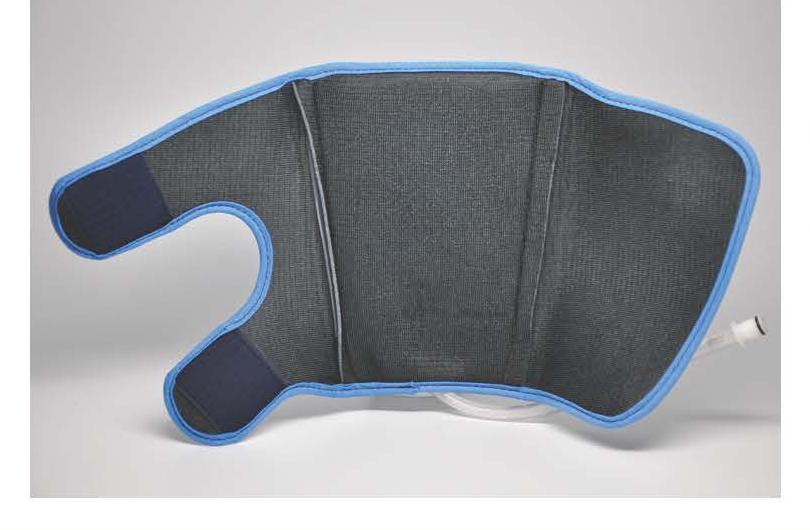
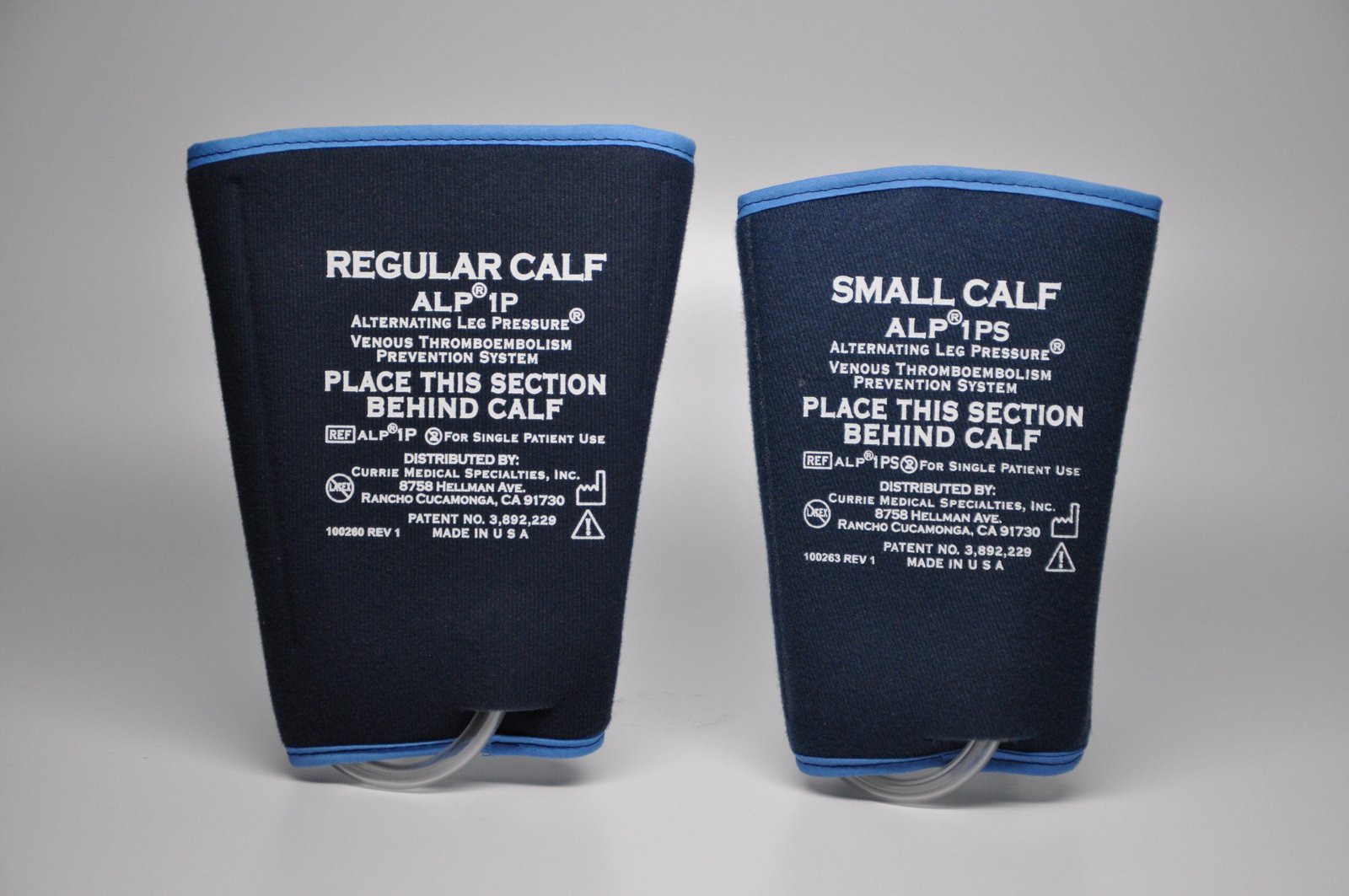
ALP® 1P Regular Calf and ALP® 1PS Small Calf garments — trilaminate interior with Microban® ZPTech antimicrobial treatment
Skin-contact layer with Microban ZPTech antimicrobial treatment. Fine-gauge warp knit achieves Grade 5 (Excellent) moisture management ratings. Capillary action wicks perspiration away from skin continuously.
Creates airflow channels for vapor migration and serves as a moisture reservoir, accepting wicked moisture from tricot layer and preventing re-wetting. Distributes compression pressure evenly across the limb, eliminating focal pressure points.
Brushed texture maximizes evaporative surface area at the final stage of the moisture transport chain. Provides structural integrity and durability through repeated compression cycles.
Currie's patent-pending tubing is built with anti-kink technology, ensuring constant therapy delivery even when tubes are bent, crushed or obstructed — which also leads to fewer nuisance alarms.
Both sequential and intermittent compression reduce DVT risk by ~57% vs. no prophylaxis (RR 0.43, P<.001). Compression mode is not the differentiator — compliance is.
14.4 quiet hours/day vs. 6.4 for Kendall. Sleep deprivation increases pain sensitivity, slows wound healing, and weakens immune function — directly impacting recovery.
ZPTech protects against S. aureus, MRSA, Klebsiella, E. coli, Pseudomonas, and Acinetobacter — effective through multiple reprocessing cycles. No competitor offers any antimicrobial protection.
5.5W active power vs. 20.9W for Kendall (3.8× less). At fleet scale, a 3,000-pump system saves approximately $61,700/year in electricity costs versus Cardinal Kendall.
New garments produced through diversified manufacturing partners across Vietnam, Mexico, and China — eliminating single-source dependency. 100% of reprocessed garments remanufactured in the U.S. Pumps designed to Currie’s proprietary 510(k)-approved specifications and serviced exclusively at U.S.-based facilities.
RE-CUR™ program collects, reprocesses, and returns garments to inventory. Blended new/reprocessed model reduces per-patient cost, minimizes waste, and simplifies SKU management. FDA 510(k) cleared.

Maintenance-free design. The 44% duty cycle reduces motor wear compared to competitors at 95–98%, extending equipment life and reducing capital replacement frequency.
Report No. 26.1.11.0041 — Blinded ISO 11092 thermal and water vapor resistance testing of DVT garments from Currie, Cardinal, and Medline (February 2026).
Determination of antibacterial activity per ISO 20743 protocols. Microban ZPTech demonstrated >99.99% microbial reduction across six pathogen species (2025).
Year-over-year VTE rate comparison following system-wide garment transition. 12.5% reduction in VTE events, 30 fewer VTE events across the system.
Stratified meta-analysis: both IPC types reduce DVT by ~57% (RR 0.43, P<.001). No significant difference by mode of inflation.
Systematic review of IPC adherence factors. Documented compliance rates as low as 49% with discomfort and noise as primary discontinuation drivers.
Split-core current transformer measurements during active therapy sessions. Currie Medical (March 2026). 5.5W vs. 12.4–20.9W competitors.
Request a clinical evaluation, product samples, or a detailed proposal for your health system.
800-669-3521